
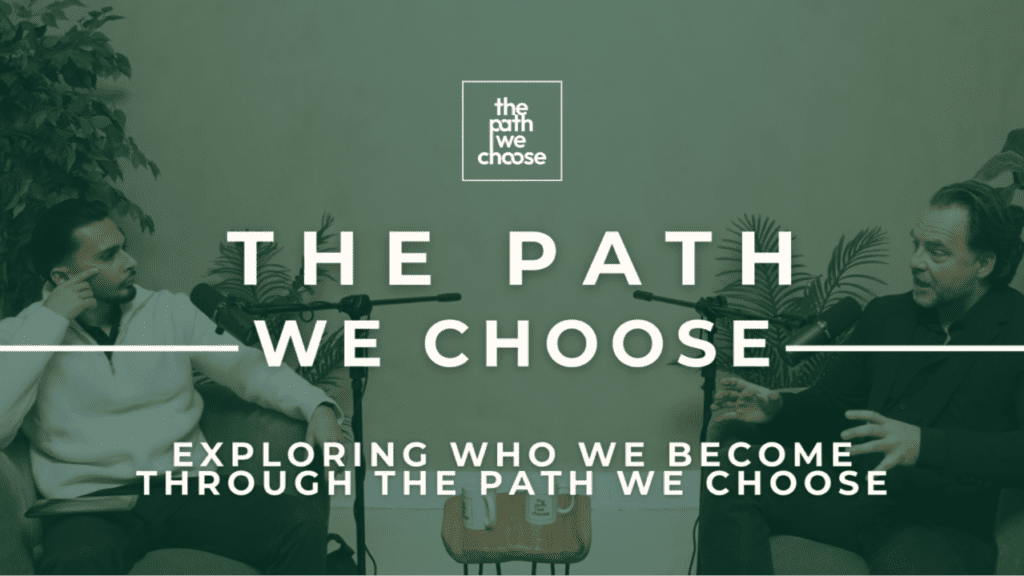
Hey everyone, Umer here!
I always start this show with the same question: What path did you choose?
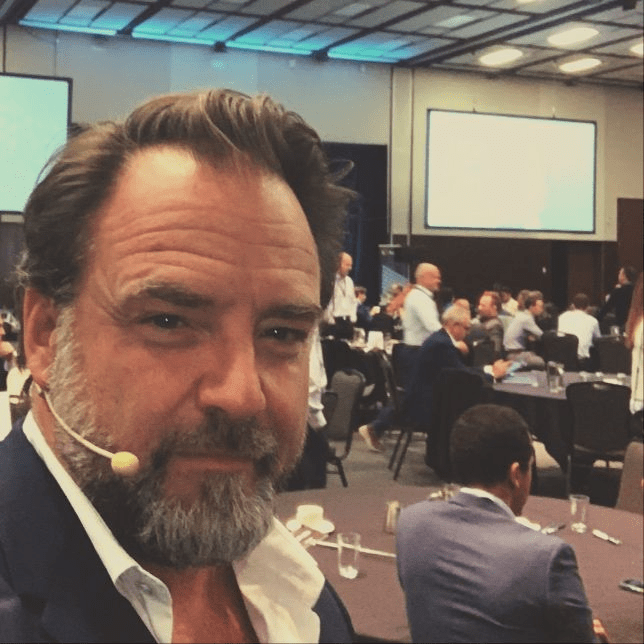
Patrick’s answer was simple but revealing. His path has changed many times, from wanting to live off the land as an ethnobotanist to becoming a public speaker exploring evolutionary science and human health.
Our conversation quickly went much deeper than I expected, here’s what I learned:
We are not broken, we are mismatched
Patrick made it clear early on that modern stress and illness are not signs that something is wrong with us.
As he put it, “There’s nothing wrong with us. We’re actually having a perfectly healthy reaction to an unhealthy environment.”
That single line reframes anxiety, burnout, and overwhelm. These aren’t personal failures. They’re signals that our biology is responding exactly as it was designed to, just in conditions it wasn’t built for.
The hardware and software problem
When Patrick talked about human biology, he used a framework that immediately clicked. He described our biology as the hardware, and culture and life experience as the software running on it.
In his words, “Think of this as your hardware… and culture and life experience is kind of software.”
When those two don’t match, performance drops. Energy fades, emotions become harder to regulate, and stress becomes the default state instead of the exception.
Small signals matter more than big fixes
Patrick emphasized that the nervous system is constantly scanning for cues of safety or threat. He explained how something as simple as light can send powerful messages to the brain.
Using fire as an example, he said that fire has always been a signal of safety and protection, which is why red light can calm the nervous system and help people fall asleep faster.
It was a reminder that the body doesn’t need dramatic interventions. It needs the right signals, consistently.
Why sleep sits at the center of everything
Sleep kept coming up because Patrick sees it as the foundation everything else rests on. He said it plainly: “Sleep is the foundation.”
When sleep is compromised, stress tolerance drops, emotional resilience weakens, and recovery becomes harder.
Modern stress has no physical outlet
One of the clearest explanations Patrick gave was about modern stress. He pointed out that while our bodies evolved to deal with physical threats, today’s stressors are abstract. As he said, “You can’t punch a credit card debt.”
The body still enters fight-or-flight, but there’s nowhere for that energy to go. Without intentional release, stress accumulates and quietly reshapes how we think, feel, and behave.
Discomfort, used correctly, builds resilience
Patrick doesn’t believe the solution is comfort. He talked about the importance of intentional challenge, encouraging people to “introduce controlled micro adversity into your daily life.”
Not extremes. Not punishment. Just enough resistance to remind the body and mind how to adapt. Over time, that builds resilience and increases your capacity to handle both physical and psychological stress.
Humans still need their people
We also talked about how isolated modern life has become. Patrick emphasized that the environment shapes behavior more than willpower ever could. As he put it simply, “You are your environment.”
Community, shared responsibility, and meaningful connection are not optional extras. They are part of how humans regulate stress, recover, and stay grounded.
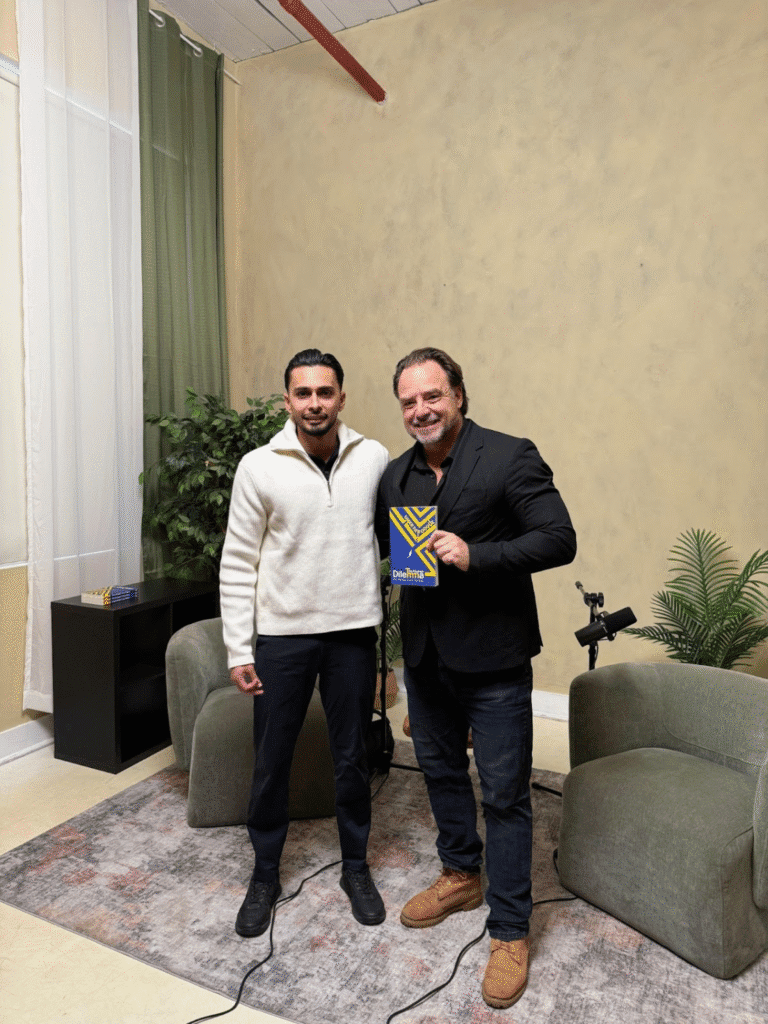
This conversation challenged a lot of assumptions while simplifying what actually matters. If any of this resonated, the full episode goes much deeper into how evolution, environment, and daily habits shape how we feel.
If you want to hear the full conversation, watch the full podcast here:
Watch Full Episode
Thanks for tuning in. I hope this episode encourages you to live authentically and embrace your own path with resilience.
Best,
Umer Farooque