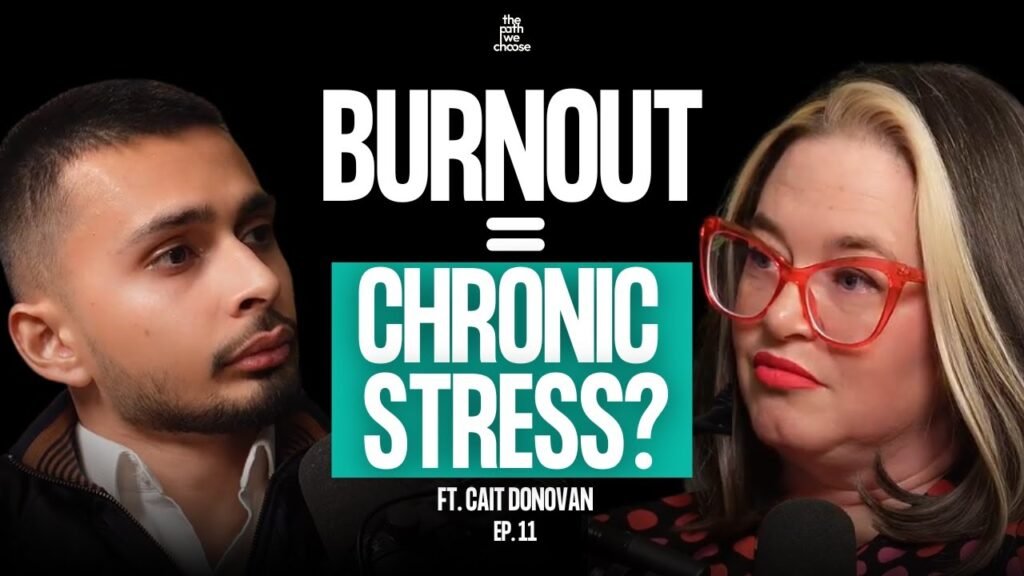
The Burnout Epidemic Explained: Causes, Recovery & Workplace Mental Health
Hey everyone, Umer here!
Cait Donovan didn’t choose the “right” path. She chose the one that kept changing her.
She described it as “windy, meandering, different, unexpected.” And when you hear her full story, it makes sense. She grew up in a small city in Massachusetts, believing that her world would stay small. Medicine felt like the escape.
But halfway through pre-med, she realized the reality didn’t match the vision. Reading about the system, the pace, the constraints, she thought, this isn’t the life I imagined. That moment forced her to pivot. As Cait said, “If that’s not my path, I don’t have a Plan B.”
That one moment led her into Chinese medicine, then across continents, into entrepreneurship, and eventually into burnout. Not because she failed, but because she succeeded too fast, under too much pressure, without understanding what it was costing her.
Our conversation on The Path We Choose challenged everything I thought I understood about burnout. Here’s what I learned.
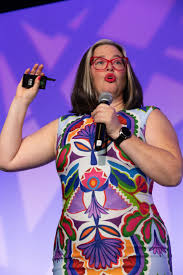
Burnout is not weakness. It’s chronic stress left unattended
Cait explained burnout clearly: “When you’ve been under chronic stress for an extended period of time and every single facet of your life starts to drop off… and the things that you’re trying aren’t helping, that’s burnout.”
Don’t wait until everything collapses. If rest isn’t restoring you anymore, treat that as a signal, not something to push through.
Burnout is physical, not just mental
One of the most important things she said was this: burnout creates real physiological changes.“You actually lost brain cells… your memory isn’t working the same way… your emotional regulation isn’t working the same way.”
Stop trying to solve burnout purely with mindset. Start with physical regulation. Sleep, nutrition, movement, and recovery come first.
Resentment is data, not a flaw
Cait said something that completely reframed how I think about resentment: “Resentment taught me every single place in my life where my boundaries were out of whack.”
Pay attention to resentment. It shows you exactly where you’re overgiving, overstepping, or misaligned.
You cannot recover alone
This was hard but honest. Cait said, “There are some things that need to be reflected to you that you haven’t seen… you need someone in front of you to mirror that back to you.”
Don’t try to outthink burnout by yourself. Get perspective. Therapy, coaching, or even honest conversations can reveal what you can’t see alone.
Listen to your body’s basic signals
Her simplest advice was also the most practical. “Sleep when you need to sleep. Rest when you’re tired. Eat when you’re hungry… pee when you need to pee.”
Rebuild trust with your body by responding to its signals immediately instead of overriding them.
Burnout can save your life if you listen to it
This line stayed with me: “If you recover in a way that allows yourself to live the life you actually want… not only do you avoid all those big scary things, but you also get a better life that you enjoy more.”
Treat burnout as a turning point, not just something to escape. It’s an opportunity to rebuild in alignment.

This conversation made me realize that burnout isn’t the end. It’s feedback. It’s your body and mind forcing you to confront misalignment you’ve been ignoring.
If this resonated with you, the full episode goes much deeper into Cait’s journey, the science of burnout, and how to rebuild your life after it.
If you want to hear the full conversation, watch the full podcast here.
Watch Full Episode
Thanks for tuning in. I hope this episode encourages you to live authentically and embrace your own path with resilience.
Best,
Umer Farooque
Host, The Path We Choose