
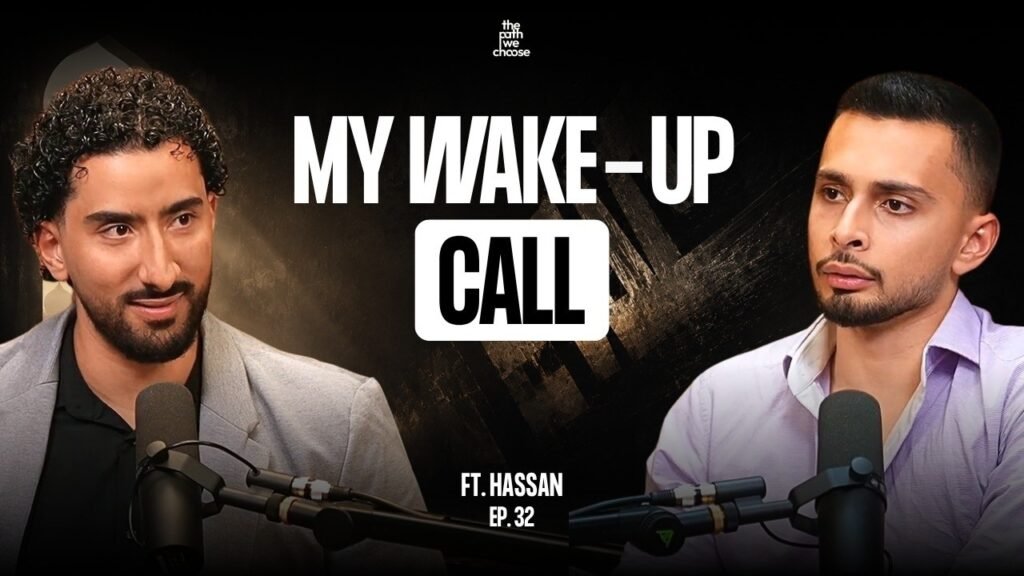
Heartbreak Led Me Back To Allah | Hassan | Ep. 32
Hey everyone, Umer here!
Sometimes the moment that breaks you is the same moment that brings you back to Allah.
That was the heart of this conversation with Hassan. The episode moved through heartbreak, repentance, guilt, prayer, neuroscience, habits, social media, marriage, and what it really means to go from inherited belief into personal conviction.
“I found Allah’s path when I was the most heartbroken.”
Here’s what I learned.
Heartbreak Can Bring You Back
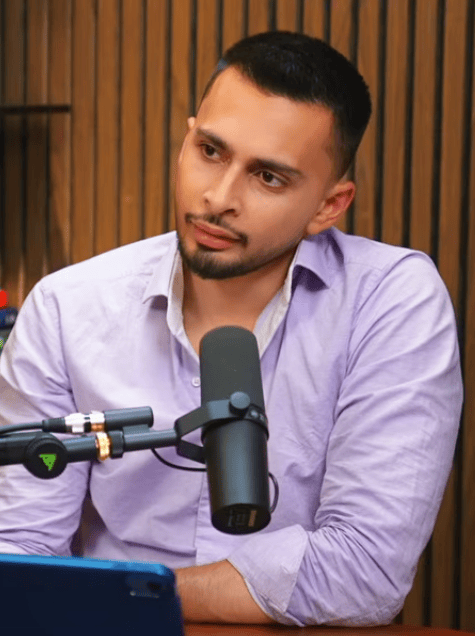
Hassan spoke about finding Allah’s path at one of the lowest points in his life. Nothing was going his way, he felt heartbroken, and that pain forced him to ask deeper questions.
“Why am I here?”
That question changed everything. Instead of running from the pain, he leaned back on what he knew, Allah. Sometimes the lowest point is where the noise finally disappears and you can see what actually matters.
Inherited Belief Is Not Enough
A lot of us are born Muslim, call ourselves Muslim, and identify as Muslim, but that does not always mean we are living Islam with conviction. Hassan described the shift as starting again from day one.
“I’m going to relearn Islam as if I started being a Muslim today.”
That line is powerful because it removes the ego. It means going back to the basics, asking why we pray, why we believe, what we know, and whether what we inherited is something we have personally understood.
Turn Your Sin Into A Return
One of the most interesting ideas in the episode was the concept of not letting sin become the end of the story. Hassan spoke about using failure as a reason to return to Allah, repent, give charity, pray extra, and rebuild.
“Invest the sin.”
The point was not to excuse sin. The point was to refuse despair. If a mistake pushes you into sincere repentance, more good deeds, and a stronger relationship with Allah, then even that fall can become part of your return.
Guilt Should Move You, Not Bury You
The conversation also explored guilt. Some guilt can be destructive when it makes you believe Allah will never forgive you. But a healthy level of guilt can wake you up and push you toward repentance.
“I committed a sin, and I’m going to use that sin to get up and repent.”
That is the balance. Guilt is not meant to trap you in shame. It is meant to remind you that your heart is still alive. The danger is not feeling bad after sin. The danger is when sin becomes normal and regret disappears.
Know Who Allah Is
A major theme was how a person’s view of Allah shapes their entire life. If you only see Allah through fear, you may live with anxiety. If you only see Allah through mercy without accountability, you may become careless.
“If you don’t know who Allah is, then what are you remembering?”
Hassan explained that knowing Allah means knowing the names and attributes He revealed about Himself. Love and fear both matter. Mercy matters. Justice matters. Accountability matters. A Muslim needs a balanced understanding, not an extreme one.
Your Brain Needs Islam Too
Because Hassan works at the intersection of Islam, neuroscience, and therapy, the conversation went deep into the brain. He explained that every thought creates patterns, repeated patterns create pathways, and rewarding behaviours can become loops.
“The brain doesn’t care if that thing is bad for you. It felt the dopamine, and it wants more.”
That explains why change is not just about knowing something is wrong. Knowledge matters, but habits, environment, triggers, and repetition matter too. The heart may want to change, but the brain is what helps translate that intention into action.
Study Your Sin
One of the most practical parts of the episode was Hassan’s advice to study the sin you are struggling with. Instead of only saying, “I need to stop,” ask better questions.
“When do you do it? Where do you do it? Who are you around when you do it? What are your triggers?”
That makes the problem more visible. Once you understand the pattern, you can interrupt it. Change becomes easier when you know the environment, people, moments, and emotions that keep pulling you back.
Prayer Has To Become Non-Negotiable
For Hassan, one of the first things he focused on when returning to deen was salah. Five prayers, every day, on time. Not two. Not three. Not when convenient.
“Five every single day.”
He explained that when you leave what you are doing and pray immediately, you are teaching your brain that salah is important. If you keep pushing it to the last few minutes, your brain learns that everything else comes first.
Intention Is Always Being Tested
The conversation also touched on social media and the responsibility of having a platform. Hassan was honest about how easy it is for praise to feed the ego, especially when people message saying a video changed their life.
“Always question your intentions.”
That is a serious reminder for anyone creating content, giving advice, or speaking about Islam publicly. The goal cannot be applause, reach, or being seen as righteous. The goal has to be pleasing Allah, and that requires constant self-checking.
The Halal Way Is Usually Harder
Toward the end, the episode moved into marriage. The point was clear: if we say we trust Allah, that trust has to show up in how we pursue marriage too. Society may offer shortcuts, but shortcuts can damage the very thing we are asking Allah to bless.
“The right way and the harder way are often the same thing.”
Marriage is not just about getting married. It is about building something with sakinah, barakah, trust, and obedience to Allah from the start. If you want Allah to bless the outcome, the path matters too.
If this resonated with you, the full episode goes deeper into heartbreak, repentance, salah, the brain, habits, guilt, social media, marriage, and how to rebuild your life around Allah one decision at a time.
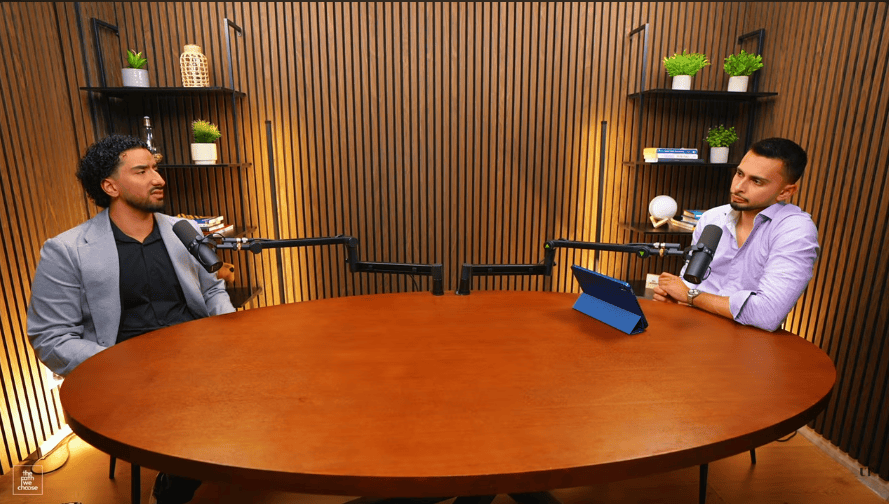
If this resonated with you, the full episode goes deeper into purpose, struggle, marriage, Quran, Sunnah, sectarian differences, personal responsibility, and what it really means to build a life around Allah instead of simply following the world.
Watch Full Episode
Thanks for tuning in. I hope this episode encourages you to live authentically and embrace your own path with resilience.
Best,
Umer Farooque
Host, The Path We Choose