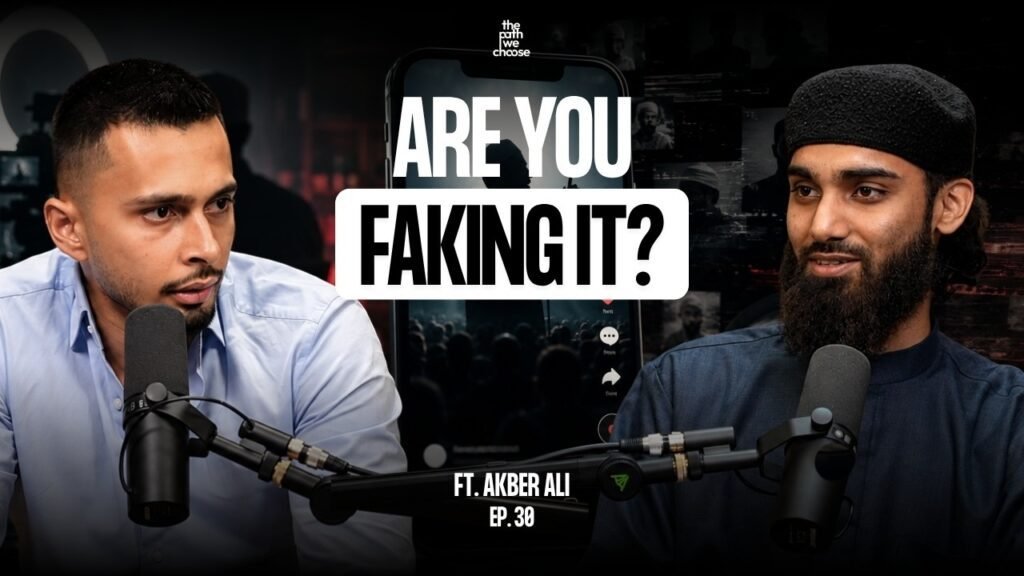
Are We Just Roleplaying Being Muslim? | Akber Ali | Ep. 30
Hey everyone, Umer here!
What if the path is not something we choose, but something we are chosen for?
Faith is not something you inherit through aesthetics. It is not just a Quran verse in your bio, Arabic-looking numbers on your phone, or showing up to Muslim events. In this conversation with Akbar, the discussion went straight into what it really means to be grounded in your identity, especially as a Muslim living in the West.
“To actually embody your identity, you actually need to learn.”
Here’s what I learned.
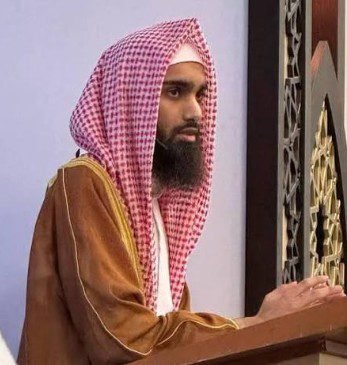
Identity Needs Knowledge
Akbar began by explaining that many Muslims express identity through symbols, but symbols are not enough. Wearing the label of Islam is different from learning what Islam actually asks of you.
“To actually embody your identity, you actually need to learn.”
That line set the tone for the episode. A Muslim identity cannot only be cultural. It has to be built on knowledge, practice, and a real connection to the Quran, Sunnah, and people who can guide you.
Comfort Is Not The Goal
One of the strongest points in the conversation was that Islam is not designed to make us feel comfortable simply. If a person is never challenged, never pushed, and never asked to grow, something may be missing.
“Islam is meant to put you a little outside of your comfort zone.”
That does not mean Islam is harsh. It means it is meant to shape you. It challenges your ego, your habits, your desires, and your assumptions so that you can become someone who serves Allah instead of only serving yourself.
Community Keeps You Grounded
Akbar spoke about the importance of having a masjid, family, mentors, and people around you who keep you connected to the deen. Even if a young person drifts, being near good people can leave reminders that come back later.
“Being around people that will always be a source of guidance for you, no matter how different you become, is important.”
He shared how older uncles in the masjid would advise him, even in small ways, about how to carry himself. Those little moments matter. A young Muslim does not only need lectures. Sometimes they need people close enough to model what Islam looks like.
Knowledge Is Not Just Information
The episode also went deep into seeking knowledge. Akbar explained that online classes and books can help, but knowledge is not only words on a page. Real knowledge changes how a person behaves.
“The beauty of knowledge is that it refines your character.”
That was one of the most important takeaways. You can read a lot and still not be shaped by it. But when you sit with people of knowledge, you see how they speak, how they treat others, how they carry themselves, and that teaches you in a way a post never can.
Social Media Is Not Enough
The conversation naturally moved into Islamic content online. Akbar made it clear that social media can be beneficial, but if it becomes your only source of knowledge, it can leave you with broken pieces instead of a complete picture.
“It’s like you’re giving them a puzzle, but all the pieces are not there.”
That line explains so much of the confusion online. A reel can remind you, but it cannot replace structured learning. If all you consume are short clips, you may collect opinions without ever building understanding.
Islam Refines Culture
One of the most useful parts of the conversation was the discussion around culture. Akbar pushed back on the idea that everything cultural should automatically be rejected. Islam does not erase every culture. It refines it.
“Islam is a tool of refining your culture, not erasing it.”
That distinction matters. If something in your culture is good and does not contradict Islam, it can be preserved. But when culture clashes with Islam, Islam comes first. The goal is not to become cultureless. The goal is to let Islam correct what needs correcting.
Faith Comes Before Goals
The conversation also touched on work, business, non-Muslim environments, career growth, and ambition. Akbar explained that Muslims can work with different kinds of people, but they must always measure decisions through faith first.
“The most important thing a believer will ever have is his faith.”
That line is the filter. Money, career, reputation, family goals, and success all matter, but none of them matter more than your relationship with Allah. If something damages your deen, then even if it helps your worldly goals, the cost may be too high.
Good Intentions Need Good Outcomes
Akbar also challenged the common phrase that intentions judge actions. Intention matters, but it is not the only thing that matters. The effect of an action matters too.
“You look at the intention, and you also look at the result.”
That is a powerful reminder for anyone trying to do good. A person can say their intention is pure, but if the action creates harm, confusion, or fitnah, they still need to rethink it. Sincerity does not remove responsibility.
University Needs Purpose
The final advice was for young Muslims going into university. Akbar was direct: do not go just to discover yourself or follow the crowd. Go with a clear purpose, and balance your worldly education with learning your deen.
“If you don’t know why you’re going, don’t go.”
That advice is not only about university. It applies to life. Know why you are doing what you are doing. Stay connected to the Muslim community. Learn your religion alongside your degree. And build goals that are bigger than personal success.
If this resonated with you, the full episode goes deeper into Muslim identity, Islamic knowledge, social media, culture, faith, university, intentions, and what it really takes to stay grounded as a Muslim in the West.

If this resonated with you, the full episode goes deeper into purpose, struggle, marriage, Quran, Sunnah, sectarian differences, personal responsibility, and what it really means to build a life around Allah instead of simply following the world.
Watch Full Episode
Thanks for tuning in. I hope this episode encourages you to live authentically and embrace your own path with resilience.
Best,
Umer Farooque
Host, The Path We Choose